How a Pizza Restaurant Curates Toppings for Maximum Flavor

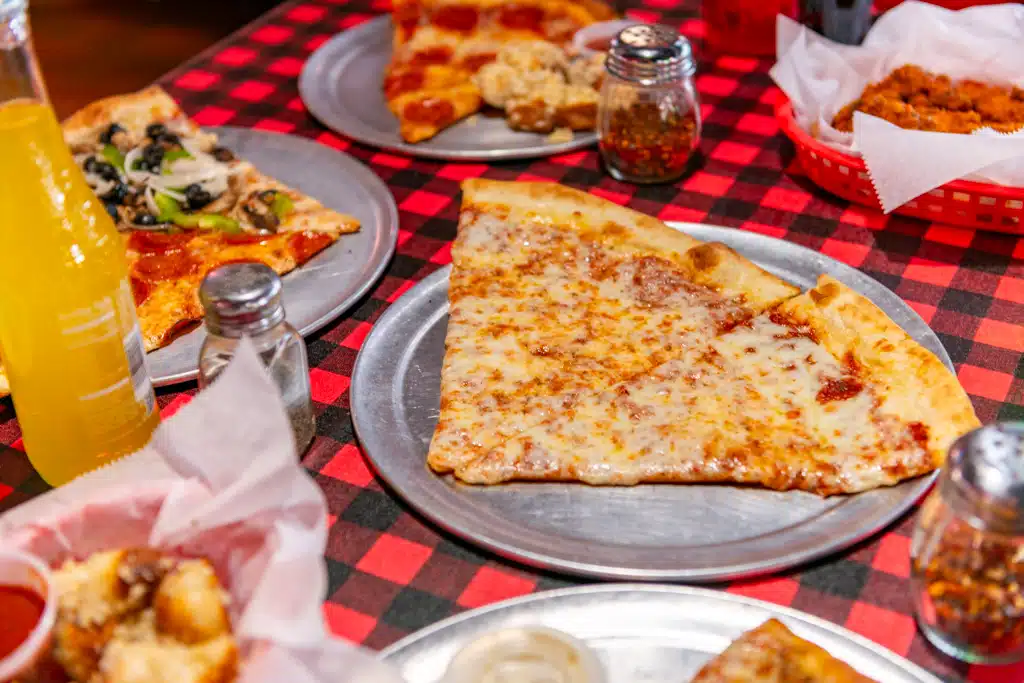
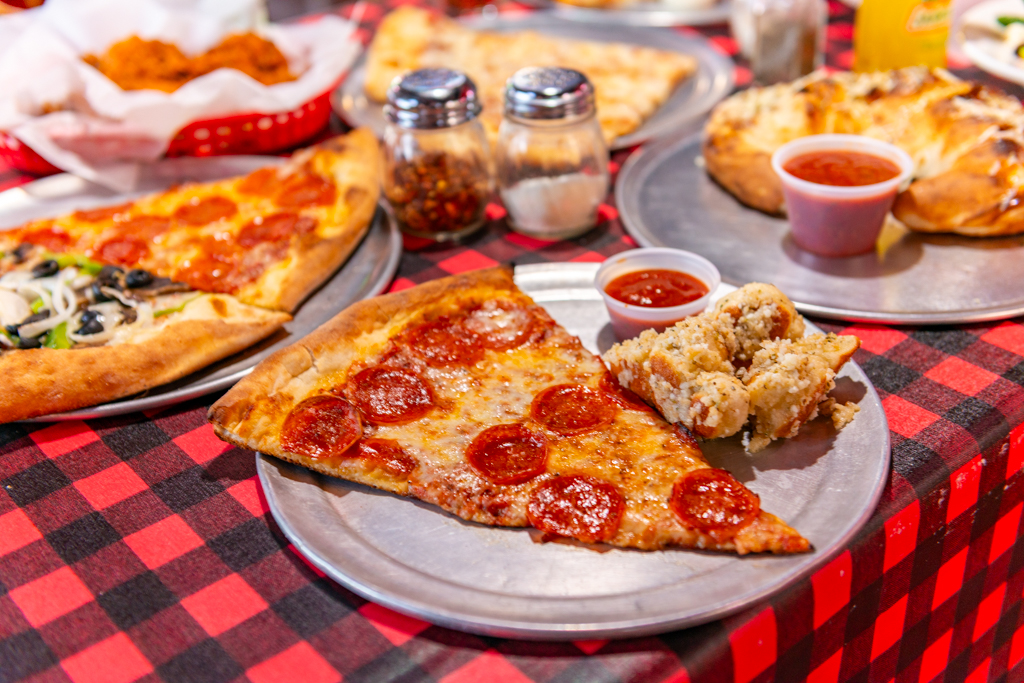
Walk into a well-run pizza restaurant during prep and you can tell, almost immediately, whether toppings are treated like decoration or like ingredients with a job to do. The difference shows up long before a pie reaches the oven. It is there in the way mushrooms are sliced to control moisture, in how sausage is seasoned to stand up to tomato acidity, in whether basil is added before or after the bake, and in how a team talks about balance rather than abundance.
Customers often describe a great pizza in simple terms. They say it tastes fresh, or rich, or perfectly balanced. Behind that reaction sits a surprising amount of discipline. Toppings are not chosen one by one in isolation. They are curated as a system, with every ingredient affecting the crust, sauce, cheese, bake time, and the overall eating experience. That system is where a good pizza restaurant separates itself from a forgettable one.
Maximum flavor is not the same thing as maximum quantity. In fact, piling on ingredients is one of the fastest ways to flatten flavor, blur contrast, and ruin texture. The best pizzas usually show restraint. They give each topping enough room to speak, while making sure nothing dominates unless it is meant to.
Flavor starts with the crust, not the topping rail
People tend to think topping decisions begin with pepperoni, mushrooms, olives, and onions. In practice, they begin with the crust. The dough sets the stage for everything else. A thin, crisp crust can support sharper, saltier toppings because it creates contrast and keeps the bite clean. A softer, more open crumb can handle richer combinations, especially if the pizza is baked hot enough to preserve lightness.
Hydration level matters. Fermentation matters. So does the flour blend. A dough with a long cold ferment develops subtle acidity and deeper wheat notes, which can make a simple margherita feel complete with just tomato, mozzarella, basil, and olive oil. A more neutral dough may need a topping combination with stronger personality to avoid tasting flat.
This is one reason experienced operators test toppings on specific dough formulas rather than on generic samples. Roasted garlic that tastes excellent on a thicker pan pizza can feel heavy on a delicate Neapolitan-style base. Calabrian chile might disappear on a thick, cheesy pie and shine on a thinner one where fewer elements compete for attention.
The crust also determines how much moisture the pizza can absorb before quality drops. A pizza restaurant that understands this will not only ask whether a topping tastes good, but whether it releases water, oil, or sugar in the oven. Flavor is inseparable from structure.
Sauce and cheese shape what toppings can do
Tomato sauce is not just a red layer between dough and cheese. It contributes sweetness, acidity, salt, and moisture, and those qualities either support or challenge the toppings above it. A bright, uncooked sauce with high acidity pairs well with creamy cheeses and fatty meats. A cooked sauce with a sweeter profile may need bitter greens, sharper cured meats, or heat to avoid becoming one-dimensional.
The cheese matters just as much. Low-moisture mozzarella behaves differently from fresh mozzarella. Provolone adds tang. Pecorino and parmesan bring salinity and umami in concentrated form. Ricotta softens aggressive flavors and adds a milky sweetness, but it can also mute delicate vegetables if overused.
This is where topping curation becomes less about collecting favorite ingredients and more about composing a flavor arc. If the sauce is bright and the cheese is rich, a topping with earthiness or spice can create tension. If the sauce is mild and the cheese blend is salty, a sweeter vegetable like roasted onion or red pepper can round things out.
Many menu mistakes come from ignoring these relationships. A pizza loaded with smoked meat, spicy sausage, sharp cheese, garlic, and a robust sauce may sound exciting on paper. On the plate, it often collapses into a wall of intensity with no contrast. There is no relief, no lift, no reason to take another bite beyond sheer richness.
The strongest topping combinations rely on contrast
Maximum flavor comes from contrast more often than from sheer force. Salty with sweet. Rich with acidic. Creamy with crisp. Smoky with fresh. When a pizza lands properly, each bite has movement.
That is why anchovy can work so well with tomato and mozzarella, despite sounding severe to some diners. The fish contributes salinity and savoriness in small bursts, while the tomato brings acid and the cheese softens the edges. The same logic explains why hot honey became popular, not because sweetness was missing from pizza culture, but because a controlled sweet note can sharpen spicy and salty elements already present.
Vegetables are particularly useful for contrast when they are handled with care. Raw red onion has a sharp, sulfurous bite that can overpower. Quick pickling or proper slicing can transform it into something bright and assertive rather than harsh. Mushrooms offer deep earthiness, https://kylertfnu046.tearosediner.net/why-a-pizza-restaurant-is-more-than-just-a-place-to-eat but only if they are cooked or prepped to avoid turning watery and limp. Even something as familiar as bell pepper changes character depending on whether it is sliced raw, roasted beforehand, or charred after the bake.
Fresh herbs operate on another level. Basil, oregano, rosemary, and parsley do not just add flavor, they change the perception of heaviness. A rich white pizza finished with lemon zest and parsley can taste far lighter than one without them, even when the fat content is the same. That finishing detail often separates a pizza that tastes good for two slices from one that stays compelling to the last crust.
Why fewer toppings usually taste better
There is a practical reason many respected pizza makers prefer three or four toppings at most on a single pie. Every ingredient adds mass, moisture, and visual noise. Every additional topping increases the chance that one flavor muddies another or that the crust steams instead of crisps.
The issue is not just overcrowding. It is diffusion. Pepperoni releases fat. Mushrooms release water. Onions soften and sweeten. If too many ingredients do that at once, the surface environment of the pizza changes. Cheese does not blister the same way. Sauce can lose definition. The center may bake slower than the rim. What should have been distinct layers becomes a merged topping blanket.
There is also the matter of salt stacking. Cured meats, olives, hard cheeses, and some sauces all contribute sodium. On their own, each can feel well judged. Together, they can push a pizza past lively and into exhausting. The same is true for heat. A restaurant that uses chile flakes in sauce, spicy soppressata, pickled peppers, and hot finishing oil on one pie is not offering complexity unless those elements are calibrated carefully.
Experienced chefs sometimes talk about giving ingredients enough oxygen. On pizza, that means letting a topping have enough space, physically and sensorially, to be noticed. A few slices of excellent fennel sausage can have more impact than a full layer of mediocre meat. A handful of roasted mushrooms, properly seasoned, can outperform a crowded mixture of vegetables with no clear identity.
Curation begins at purchasing
A pizza restaurant cannot curate flavor well if it buys toppings like commodities. Ingredient quality does not mean every item must be expensive, but it does mean every item should have a reason for being there. The tomato should fit the sauce style. The mozzarella should melt the way the kitchen needs it to. The pepperoni should cup, char, or lie flat based on the result the restaurant wants.
That same thinking applies to vegetables and herbs. Peak-season produce can change a pizza dramatically. Summer tomatoes, if used fresh or lightly cooked, have a sweetness and aroma that winter tomatoes rarely match. Basil bruises easily and loses fragrance fast. Mushrooms from different suppliers vary in water content, density, and shelf life. A restaurant serious about flavor notices those differences and adjusts prep accordingly.
One practical example is sausage. Some operations buy pre-cooked crumbles because they are easy to portion. Others prefer raw sausage that cooks on the pie because the rendered fat carries seasoning into the cheese and sauce. Neither choice is automatically right or wrong. The better decision depends on oven style, bake time, and the desired texture. A fast, very hot oven may favor smaller raw pinches of sausage. A slower deck bake may need partial pre-cooking for consistency.
Cured meats pose similar choices. Prosciutto is often better added after the bake so it keeps its silky texture and sweetness. Pepperoni is usually meant to render in the oven. Bacon can work either way, but its success depends on thickness, cure, and how much grease the pizza can handle. These are not minor technical details. They are flavor decisions.
Moisture is one of the hardest variables to control
Ask anyone who has spent time on a pizza line and they will tell you that moisture management makes or breaks topping quality. Watery toppings do more than create a soggy center. They dilute salt, soften crust, weaken browning, and blur flavor.
Fresh mozzarella is a classic example. Its clean dairy flavor is beautiful, but if it is not drained correctly it can flood the pizza. Mushrooms, zucchini, spinach, and tomatoes all pose similar risks. Some need pre-roasting. Some need salting and draining. Some need to be sliced thicker or thinner depending on the oven. Even pineapple, controversial as it may be in some circles, becomes a better topping when excess liquid is managed so the fruit can caramelize instead of steaming.
This is where the daily judgment of a pizza restaurant matters more than the recipe. Produce changes from case to case and week to week. A rainy harvest can leave mushrooms holding more water. Fresh mozzarella can vary by producer. Onions stored in warm conditions may behave differently than those kept properly. A rigid formula will not account for that. A skilled team will.
Prep technique often carries more weight than diners realize. Mushrooms sautéed briefly before service concentrate flavor. Spinach wilted and squeezed can add green depth without dumping water. Roasted peppers bring sweetness and smoke that raw peppers simply cannot. These steps take labor, but they turn toppings from generic add-ons into ingredients with purpose.
Bake order changes flavor as much as the ingredient itself
Not every topping belongs on the pizza at the same moment. Some need the heat of the full bake. Others are better finished afterward. This is one of the quiet marks of professionalism.
Delicate herbs, soft cheeses, cured meats, arugula, citrus zest, and some oils often shine when added after the pie comes out. Their aromas stay vivid. Their texture remains intentional. By contrast, onions, sausage, mushrooms, and many hard vegetables usually benefit from time in the oven where they can caramelize, render, or soften.
A pizza restaurant with discipline also thinks about layering. Putting cheese under a topping can protect it from drying out or help anchor it in place. Putting a topping directly on the sauce can allow more direct heat and stronger roasting. Finishing with grated hard cheese instead of baking it fully can preserve nuttiness and keep it from turning bitter.
There is a famous trap here, especially in kitchens trying to look generous. They add too many finishing ingredients because fresh garnish photographs well. The pizza leaves the oven beautiful but awkward to eat. Greens slide off. Oil pools. Thin slices of prosciutto clump. Maximum flavor still has to function bite by bite. If a topping strategy destroys the eating mechanics, it is not well curated.
Regional style influences topping logic
A New York slice, a Neapolitan pie, a Detroit square, and a tavern-style thin crust do not ask the same things of toppings. The best restaurants respect that rather than forcing one topping philosophy across every format.
Neapolitan-style pizzas reward restraint. Their soft center, high hydration dough, and fast bake favor lighter applications and a narrow ingredient set. Fresh mozzarella, basil, anchovy, mushrooms, and a few well-chosen cured meats make sense here. Heavy toppings can overwhelm the crust and interfere with the oven spring.
New York-style pizzas can handle a broader topping range because the structure is firmer and the bake longer. Pepperoni, sausage, onions, mushrooms, and peppers all fit naturally, though balance still matters. Detroit-style pies can support richer builds thanks to their thicker, airy crumb and caramelized cheese edges. That makes them suitable for bolder sauces, heavier proteins, and layered finishing elements, provided the center remains light enough to carry them.
This is why a pizza restaurant should not design toppings in the abstract. It should design them for the style of pizza it serves. What tastes balanced on one format may feel clumsy on another.
Menu design matters as much as kitchen skill
Great topping curation is not only about what happens during service. It is also about what gets offered in the first place. A strong menu guides customers toward combinations that work. A weak one invites chaotic customization and then suffers when the result disappoints.
Some restaurants solve this by building signature pies around tested combinations while still allowing modification. That can be a smart middle ground. Guests feel freedom, but the kitchen protects the integrity of the product. The key is to know which substitutions are harmless and which ones destabilize the pizza.
Adding olives to a sausage and onion pie might be fine. Adding fresh tomatoes, extra cheese, and spinach to that same pizza could push it into excess moisture and muddled flavor. Good staff training helps here. Front-of-house teams who understand the menu can steer guests toward choices that preserve balance instead of simply saying yes to everything.
There is also a business reality. Topping curation affects food cost, waste, speed, and consistency. Ingredients with short shelf lives can be wonderful, but only if the restaurant has the volume and prep discipline to use them at their best. Rarely ordered toppings often become weak toppings because they sit too long. Sometimes the most flavorful decision is to offer fewer options and execute them exceptionally well.
The role of seasonality and specials
Seasonal pizzas can reveal how thoughtful a kitchen really is. They work best when they respond to ingredients at their peak rather than chasing novelty. Spring asparagus, summer corn, autumn squash, winter chicories, and seasonal mushrooms each bring a distinct set of flavor possibilities and technical considerations.
A late-summer pizza with corn, blistered cherry tomatoes, basil, and a sharp pecorino can taste vivid because the ingredients are naturally sweet, bright, and tender. A colder-weather pie with roasted squash, sage, brown butter notes, and a salty cheese can lean comforting without becoming heavy, especially if the restaurant adds an acidic counterpoint such as pickled onion or chile.
Seasonal curation also keeps a menu honest. It forces a pizza restaurant to re-evaluate its ingredient pairings rather than repeating safe formulas year-round. That tends to sharpen a kitchen’s instincts. Teams learn what a topping contributes not just in theory, but in different climates, oven conditions, and customer moods.
What maximum flavor feels like on the plate
When a pizza is curated well, the effect is immediate. The aroma rises before the box is fully open. The crust stays crisp where it should and tender where it should. The toppings feel integrated rather than piled on. No single bite tastes exactly the same, but the pizza still has a clear identity.
You notice that the salt level wakes up the tomato rather than overwhelming it. The cheese supports rather than smothers. If there is heat, it arrives in pulses. If there is sweetness, it sharpens the savory elements. Fresh components lift the richer ones. The last bite tastes as intentional as the first.
That outcome is not an accident. It comes from dozens of choices, some visible, many not. Choosing the right onion is part of it. Choosing how thin to slice it, whether to roast it, where to place it on the pie, and what to pair it with, that is curation.
The best pizza restaurant does not chase flavor by adding more. It chases flavor by editing, testing, and understanding how ingredients behave together under heat. That is what turns toppings from a checklist into craft. And once you taste the difference, it is hard to settle for anything less.
RUFFRANO'S HELL'S KITCHEN PIZZA Security
385 Main St, Colorado Springs, CO 80911
(719) 390-4355
FAQ About pizza restaurant
Is there a Hell's Kitchen pizza restaurant in Security-Widefield?
Yes. Ruffrano's Hell's Kitchen Pizza has a Security-Widefield location at 385 Main St.
Where can I find pizza delivery in Security-Widefield?
Ruffrano's Security location offers online ordering. Enter your address at checkout to check delivery availability and fees.
Where can I find gluten-free pizza in Security-Widefield?
Ruffrano's menu lists a 12-inch gluten-free option. Call the Security location to confirm availability and ask about shared equipment if cross-contact is a concern.