Why a Pizza Restaurant Is Ideal for Quick and Delicious Meals
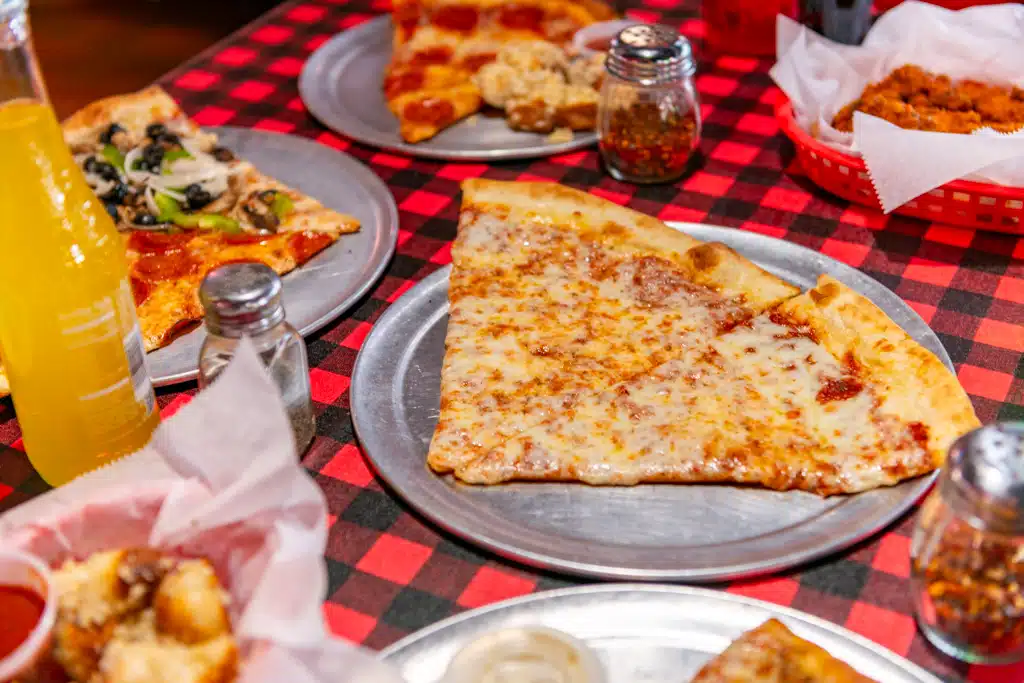
There is a reason the neighborhood pizza restaurant stays busy on weeknights, after youth sports, during office lunch breaks, and on those evenings when nobody wants to cook but everyone still wants a meal that feels satisfying. Pizza sits in a sweet spot that few foods manage to reach. It is fast without feeling flimsy. It is familiar without being boring. It can feed one person with a couple of slices or a whole table with a few boxes and almost no fuss.
That balance matters more than people sometimes admit. Quick meals often come with compromise. Fast food can be convenient, but it may not feel substantial. Sit-down dining can taste better, but it usually asks for more time than a busy day allows. A good pizza restaurant bridges that gap. It offers speed, comfort, and real variety, which is exactly what most people are looking for when hunger shows up before they have the energy to plan around it.
I have seen this play out in every kind of setting, from family dinners that need to happen in under thirty minutes to work meetings where half the room has different tastes and dietary preferences. Pizza keeps solving the same problem, and it does so with more flexibility than almost any other casual meal.
Speed without the feeling of being rushed
The strongest case for a pizza restaurant starts with timing. A well-run shop can move quickly because the kitchen is designed for it. Dough is prepped ahead. Sauces are portioned. Toppings are organized within arm’s reach. Ovens run hot and consistently. The whole setup is built around turning out meals fast while still cooking food to order.
That matters in practical terms. If you call in an order at 6:10 after a long commute, there is a realistic chance dinner is on the table before 6:45. In many places, especially those with efficient pickup counters, it can be even faster. Compare that with shopping, chopping, cooking, plating, and cleaning up at home, and the time savings become obvious. Even a simple home-cooked dinner can take an hour once everything is included. Pizza can cut that in half while still feeling like a complete meal rather than a stopgap.
The speed also feels different from other fast options because pizza does not demand constant customization at the point of service. You decide what you want, place the order, and the kitchen gets to work. There is no long assembly line, no waiting for each individual sandwich or bowl to be built one at a time. A single large pie can feed multiple people in one production cycle. That efficiency is one reason pizza remains such a reliable choice for groups.
A busy parent feels this acutely. So does someone working late. So does anyone staring at the clock at 12:20, knowing lunch break ends at 1:00. The value is not just that pizza is fast. It is that the speed feels smooth, predictable, and easy to plan around.
Flavor that holds up under pressure
Quick meals often disappoint because speed usually asks something from the food. Texture suffers. Seasoning gets flat. Freshness falls away. Pizza handles speed better than most dishes because the format itself is built for high heat and short cooking times.
A properly made pizza does not need an hour of simmering or slow roasting to taste complete. It relies on ingredients that perform well in a hot oven, dough that develops structure ahead of time, and combinations that make sense in a matter of minutes. Tomato sauce brightens under heat. Mozzarella melts quickly and gives immediate richness. Vegetables char at the edges and release sweetness. Pepperoni crisps. Sausage browns. Basil softens just enough to perfume the top.
That is why a good pizza restaurant can serve food quickly without it tasting like a shortcut. The flavor profile is naturally suited to rapid cooking. In skilled hands, those few minutes in the oven are enough to create contrast and depth. You get chew in the crust, acidity in the sauce, fat from the cheese, salt from cured meats, and freshness from herbs or vegetables. It is a complete bite.
This is also where the difference between an average shop and a strong one becomes clear. At a better pizza restaurant, speed is supported by discipline. Dough has had time to ferment. The cheese is distributed with restraint instead of dumped on in a blanket. Toppings are balanced so the center does not collapse. The oven is hot enough to cook the crust properly before the surface dries out. That kind of operation can turn out food quickly because the process is refined, not because corners are being cut.
Built for different appetites and different kinds of days
One underappreciated strength of pizza is flexibility. Not every meal happens under ideal conditions. Sometimes one person wants something hearty, another wants something lighter, a third wants no meat, and a fourth is feeding a child who only trusts plain cheese. A pizza restaurant is unusually good at handling that reality.
Half-and-half pies solve disagreements without drama. Personal pizzas make lunch feel easy. Side salads, wings, garlic knots, soups, pasta dishes, and desserts give the menu enough breadth to satisfy people who are not even in the mood for pizza itself. This matters in offices, families, and friend groups where consensus can otherwise eat up ten minutes before anyone places an order.
There is also value in portion flexibility. A couple of slices can be a quick solo meal. A medium pie can feed two people comfortably. A few large pies can cover a party without forcing a host into complicated planning. The same restaurant can meet wildly different needs within the same hour.
I once watched a local shop handle the dinner rush during a youth baseball tournament. Parents came in tired, kids came in hungry, and no two orders looked the same. Some families needed whole pies to take back to the hotel. Others wanted a slice and a drink before the next game. A few adults were clearly trying to eat something that felt fresher, so they ordered salad with grilled chicken and a thin-crust vegetable pie to share. The room moved quickly, and almost everyone got what they needed without friction. That is not an accident. It is one of the reasons pizza works so well in real life.
A comfort food that still feels complete
People talk about pizza as comfort food, which it certainly is, but that label can make it sound less substantial than it is. In practice, pizza often lands in the middle ground between indulgence and utility. It is enjoyable enough to feel like a treat, yet filling enough to count as a serious meal.
The structure helps. You have carbohydrates from the crust, protein from cheese and meats, fats that create satiety, and the option to add vegetables without effort. No one claims every pizza is nutritionally identical, and quality varies widely, but a thoughtfully ordered pie can feel balanced in a way many quick meals do not. Add a salad or choose toppings like mushrooms, spinach, onions, peppers, or grilled chicken, and the meal starts to look far more rounded than the stereotype suggests.
That sense of completeness matters at the end of a long day. A quick meal should not leave you rummaging through the pantry an hour later because you are still hungry. Pizza rarely has that problem. Even a simple slice carries enough substance to satisfy. When the crust is well made and the toppings are proportioned with care, the meal feels grounded.
The economics are better than many alternatives
Value matters, especially for families and groups. A pizza restaurant often delivers stronger cost efficiency than other quick meal options because of how shareable the food is. One order can stretch across several people without requiring everybody to purchase a separate entrée, side, and drink.
Prices vary by region, ingredient quality, and restaurant style, but the general pattern holds. Feeding four people from a pizza restaurant is often more economical than buying four individual meals from many fast-casual chains, particularly once extras and delivery fees are factored in. Even when the total lands in a similar range, pizza tends to generate leftovers more often, which improves the value.
That leftover factor should not be dismissed. Cold pizza has its fans, but even reheated, a decent pie usually holds up well the next day. Lunch is partially solved. A late-night snack is covered. If you are budgeting both money and time, that matters.
Of course, not every pizza restaurant is a bargain. Specialty pies, premium toppings, and artisan shops can push prices upward quickly. But even then, the meal often remains competitive because it is communal and adaptable. A slightly pricier pie with better ingredients may still beat a more expensive sit-down meal on both cost and convenience.
Consistency is a hidden advantage
When people are hungry and short on time, predictability has real value. A solid pizza restaurant offers that. You know roughly how long the order will take. You know how much food you need. You know what the meal is going to feel like when it arrives. That kind of consistency reduces friction, especially when the day has already produced enough surprises.
Consistency also builds trust. Regular customers learn which crust they like, which toppings hold up best for delivery, and which days are busiest. The restaurant learns the rhythms of its neighborhood. Friday nights are heavy. School events spike early orders. Rain often increases delivery demand. Experienced operators adjust staffing, prep levels, and oven flow accordingly.
The result is a meal category that functions dependably. That may sound unromantic, but for quick dining, reliability is part of excellence. People return to a pizza restaurant not only because the food tastes good, but because the whole experience is easy to repeat.
Delivery and pickup fit modern schedules
Few foods travel as well as pizza. That one fact has helped keep pizza central to quick dining even as consumer habits have shifted toward takeout, curbside pickup, and app-based ordering. Pizza boxes stack neatly, retain heat reasonably well, and protect the product during transport better than many packaged meals. Fries steam and soften. Burgers slide. Delicate salads wilt. Pizza generally arrives in recognizable condition.
That resilience gives the pizza restaurant a major advantage. The meal works whether you eat in, grab it on the way home, or have it brought to your door. For people balancing work, childcare, errands, or social plans, that flexibility can be the deciding factor.
Pickup, in particular, deserves more credit. Many restaurants lose quality during the time it takes to drive them home. Pizza tolerates those ten or fifteen minutes better than most. If the crust was properly baked and the toppings were not overloaded, the pie still eats well after the trip. For customers trying to avoid delivery fees or uncertain wait times, pickup often gives the best mix of speed, quality, and cost.
Variety keeps pizza from becoming repetitive
One reason people can return to a pizza restaurant again and again without getting bored is that the category has more range than it gets credit for. Crust alone opens several paths. Thin crust offers crispness and speed. Hand-tossed brings chew and a softer bite. Deep dish feels hearty and rich. Sicilian-style squares provide an airy interior with a crisp bottom. Wood-fired pies lean lighter and often finish with brighter ingredients.
Then come the topping combinations, which can shift the mood of the meal entirely. A classic cheese pizza is straightforward and comforting. Pepperoni delivers spice and crunch. White pies feel richer and more savory. Vegetable-heavy combinations can be fresher and lighter. Barbecue chicken, buffalo sauce, pesto, hot honey, roasted garlic, or seasonal ingredients can push the experience into a different lane without turning it into a novelty act.
A strong pizza restaurant understands this and uses variety carefully. The best menus offer enough options to keep repeat customers interested, while still protecting the kitchen from complexity that slows service or hurts consistency. That is a real balancing act. Too little choice, and the menu feels tired. Too much, and the operation starts to wobble. Restaurants that get this right become staples because they can satisfy a craving without serving the same meal every time.
Not every pizza restaurant delivers the same experience
It is worth being honest about the trade-offs. Pizza is ideal for quick and delicious meals when the restaurant is run well. When it is not, the weaknesses show fast. Poor dough management leads to bland crust. Cheap cheese can leave an oily film. Overloaded toppings can create a soggy center. Delivery delays can turn a crisp pie limp.
That is why choosing the right shop matters. The best signs usually reveal themselves quickly.
- The crust has character, whether crisp, airy, chewy, or thin, rather than serving as a bland base.
- The sauce tastes seasoned and distinct instead of sweet and anonymous.
- Toppings look intentional, not piled on to create the illusion of value.
- Orders come out on time more often than not.
- The menu shows range without feeling chaotic.
Those markers tend to matter more than whether a place is trendy, old-school, or expensive. Some of the best quick meals come from modest neighborhood spots with reliable ovens, good dough, and staff who know exactly how to pace a dinner rush.
Pizza works because it fits real human behavior
Food habits are shaped less by ideals than by actual schedules. People eat between obligations. They feed groups with mixed preferences. They look for comfort after hard days and convenience during busy ones. Pizza answers those needs unusually well because it respects the way meals happen in practice.
Consider the office lunch scenario. One person wants something filling. Another has a limited break. A third needs a vegetarian option. Pizza solves the logistics while keeping the meal pleasant. Or think about families arriving home in stages. One person gets there at 5:30, another at 6:15, a teenager wanders in after practice, and nobody is ready to eat at exactly the same minute. Pizza is forgiving. It can sit for a bit, be reheated, or be eaten slice by slice without ruining the meal.
That flexibility is a deeper part of its appeal than flavor alone. Pizza restaurant meals do not demand precision from the customer. They fit around life instead of forcing life to stop for them.
When pizza is the smartest choice
There are moments when pizza is merely convenient, and others when it is clearly the best option on the board. It shines when time is tight, when groups need feeding, when cleanup matters, and when people want a meal that feels generous without becoming an event.
A few situations stand out:
- Weeknight dinners after work or school
- Casual group gatherings where tastes vary
- Lunches that need to be quick but filling
- Travel nights in hotels or after long drives
- Low-effort hosting when guests arrive hungry
What makes these moments important is not just hunger, but limited bandwidth. A pizza restaurant removes decisions, labor, and delay. That is why it remains so dependable.
The pleasure factor should not be underestimated
For all the practical arguments in pizza’s favor, pleasure is still part of the equation. Quick meals are easier to justify when they also feel good to eat. Pizza delivers on that front with almost unfair consistency. The smell of baking dough, tomato, and cheese triggers appetite immediately. The first bite offers contrast, crisp edge, soft crumb, melted top, and a little pull. That sensory payoff arrives fast.
This matters because people do not only need calories. They need meals that reset the day a bit, especially when time is short and stress is high. A quick dinner that tastes genuinely good can shift the mood of a household. It can turn a scrambled evening into something that feels settled. That sounds small, but it is not. Restaurants that understand this are not just selling https://reidualc268.birchreport.com/posts/how-a-pizza-restaurant-balances-speed-and-quality convenience. They are selling relief.
A great pizza restaurant knows how to deliver that feeling repeatedly. It understands pace, temperature, texture, and hospitality. It knows that a family picking up dinner at 7:15 is not looking for culinary theater. They want a meal that arrives hot, tastes right, and makes the evening easier. When that happens, the appeal of pizza is obvious.
The reason a pizza restaurant is ideal for quick and delicious meals is not mysterious. It combines speed, consistency, shareability, and flavor in a form that travels well and pleases almost everyone. Few foods can do all of that at once. Pizza can, and that is exactly why it remains one of the smartest choices when time is short and expectations are still high.
RUFFRANO'S HELL'S KITCHEN PIZZA Security
385 Main St, Colorado Springs, CO 80911
(719) 390-4355
FAQ About pizza restaurant
Is there a Hell's Kitchen pizza restaurant in Security-Widefield?
Yes. Ruffrano's Hell's Kitchen Pizza has a Security-Widefield location at 385 Main St.
Where can I find pizza delivery in Security-Widefield?
Ruffrano's Security location offers online ordering. Enter your address at checkout to check delivery availability and fees.
Where can I find gluten-free pizza in Security-Widefield?
Ruffrano's menu lists a 12-inch gluten-free option. Call the Security location to confirm availability and ask about shared equipment if cross-contact is a concern.